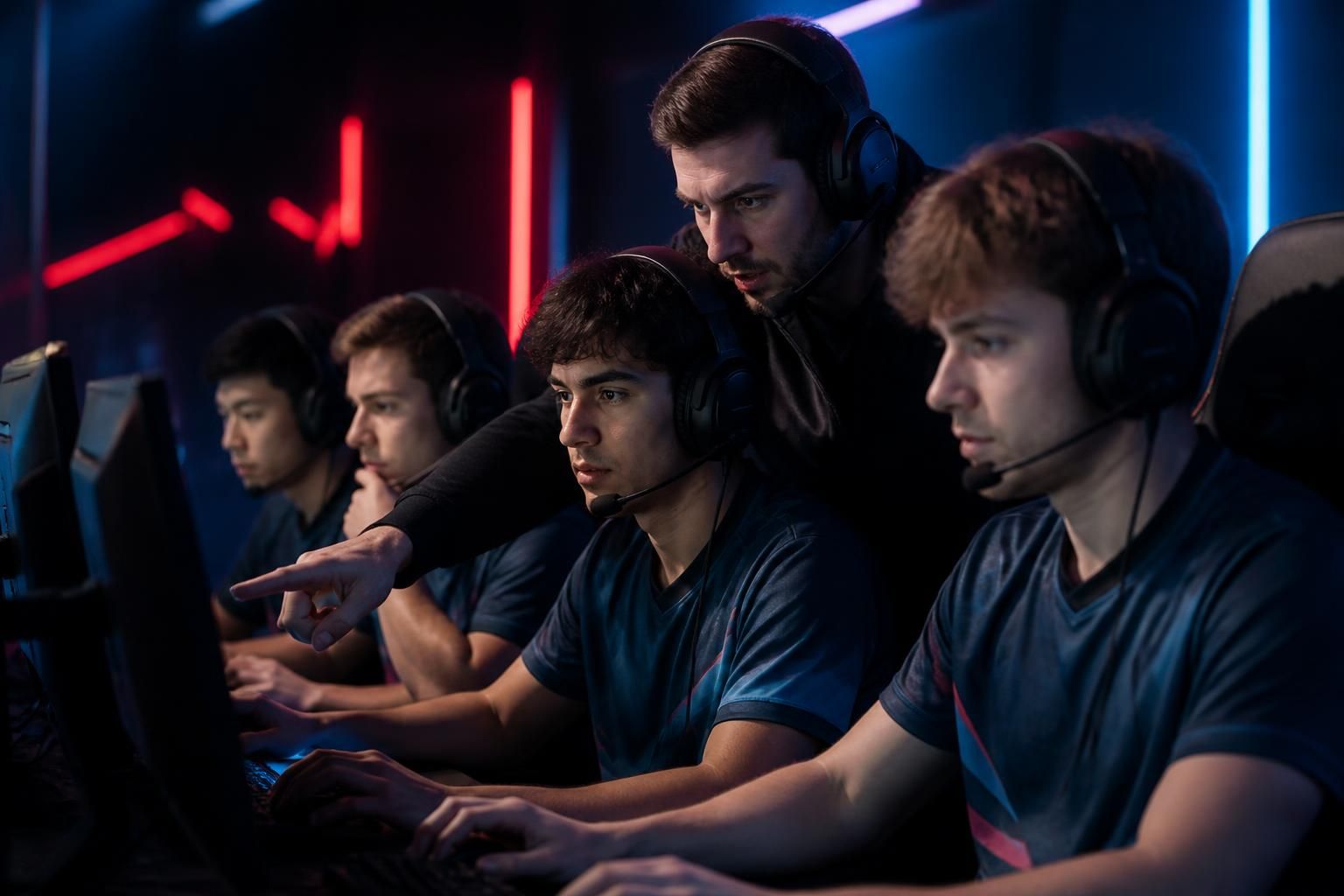
Esports teams and coaching have become critically important as the competitive gaming scene continues to grow. As the complexity of games and the skill required to excel increase, the role of coaching has evolved from a traditional model to a more nuanced approach that combines strategy, psychology, and performance analysis. This article explores how the dynamics of coaching within esports teams are changing and what this means for players and organizations alike.
Understanding the Role of Coaches in Esports Teams
The role of coaches in esports teams has transitioned significantly in recent years. Initially, coaches were largely seen as strategists who developed gameplay tactics and provided feedback on performances. However, their responsibilities have expanded to include a variety of functions that are key to a team’s overall success.
Modern coaches are expected to facilitate communication among team members, manage team dynamics, and optimize individual player performance. They often analyze gameplay footage to provide targeted feedback, implement training regimes, and foster a positive team environment that encourages collaboration. This multifaceted approach helps players not only to improve their skills but also to maintain mental resilience in high-pressure situations.
The Integration of Data Analytics in Coaching
With the rise of technology in esports, data analytics has become an integral tool for coaches. By harnessing player statistics and performance metrics, coaches can make informed decisions about strategies and identify areas needing improvement. This data-driven approach allows teams to track progress over time and adapt their training methods accordingly.
For instance, professional teams often use software to break down gameplay footage, revealing patterns in both their performance and that of their opponents. Coaches can then use this data to develop tailored strategies that exploit weaknesses in rival teams while maximizing their own strengths. By embracing these analytical tools, esports teams can gain a competitive edge that is essential in a rapidly evolving landscape.
Coaching Philosophy: The Shift Towards Player-Centric Approaches
Another significant development in esports coaching is the shift towards player-centric philosophies. Where traditional coaching methods often emphasized strict discipline and rigid training schedules, contemporary coaching tends to focus on the individual needs and mental well-being of players.
Coaches are becoming more attuned to the psychological aspects of competitive gaming, offering support that helps players cope with stress and anxiety. This holistic approach fosters a healthier environment, enabling players to reach their full potential without succumbing to burnout. Additionally, coaches are now often seen as mentors who guide players through both their professional and personal challenges, contributing to a more cohesive team dynamic. For more on this topic, see สล็อต.
The Evolving Relationship Between Players and Coaches
The relationship between players and coaches in esports teams is also undergoing a transformation. In the past, coaches maintained a more authoritarian presence, dictating strategies and demanding adherence from players. Today, effective coaching requires building trust and open communication between players and coaches.
Many successful coaches prioritize creating an inclusive atmosphere where players feel comfortable sharing their thoughts and experiences. This collaborative environment allows for constructive feedback and mutual learning. As teams increasingly recognize the importance of mental health and emotional support, the coach-player relationship is maturing into a partnership that drives collective success.
Future Trends in Esports Coaching
As esports continues to grow and evolve, so too will the practices surrounding coaching within teams. One emerging trend is the increased collaboration between coaches and sports psychologists. This partnership aims to enhance players’ mental performance, addressing issues such as focus, motivation, and stress management. By integrating psychological support into training regimens, teams can better prepare their players for the mental demands of competitive gaming.
Moreover, the rise of streaming and social media is shaping how coaches interact with players and fans alike. Coaches are becoming more visible figures in the esports community, sharing insights and fostering connections through online platforms. This transparency not only builds a stronger connection with existing fans but also attracts new interest in esports teams and their coaching philosophies.
Conclusion: The Increasing Importance of Coaching in Esports Teams
Esports teams and coaching are evolving in tandem, adapting to the complexities of the gaming environment and the needs of players. As coaching becomes more data-driven and player-focused, the dynamics within teams are changing for the better. The future of esports coaching lies in balancing strategy with empathy, ensuring that players have the tools they need to succeed in both their professional and personal lives. Ultimately, the evolution of coaching in esports not only enhances individual performance but also strengthens the teams as a whole, paving the way for sustained success in the competitive landscape of gaming.